Sleep Medicine
The treatments themselves — from non-invasive myofunctional throat exercises through to the most advanced hypoglossal nerve stimulator implants. Start with the overview to understand the full spectrum of options.

The full spectrum from simple snoring to severe OSA — how it's diagnosed, why it matters, and what your treatment options are.
Read more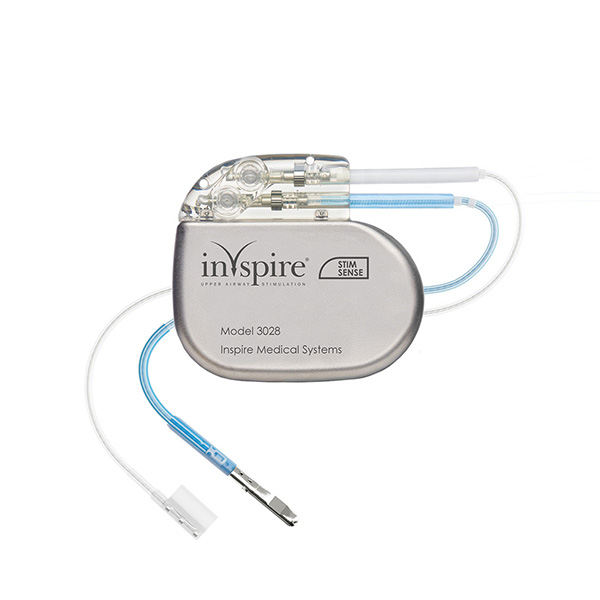
No mask, no tubing — small implanted devices that sense your breathing and keep the airway open. Professor Veer is one of the UK's most experienced surgeons for these.
Read more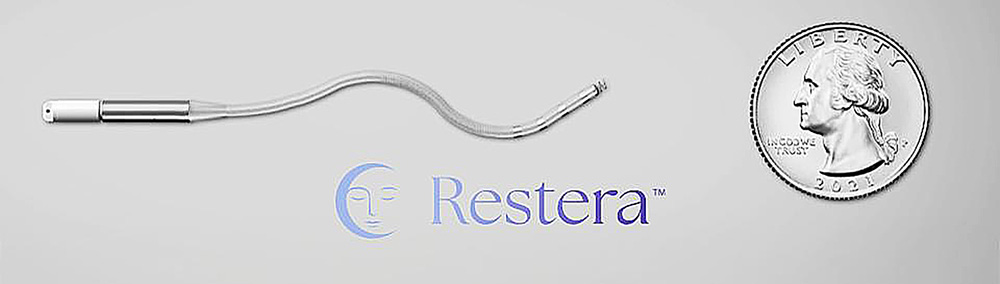
The latest generation hypoglossal nerve stimulator, with improved battery life and more refined control — Professor Veer was among the first UK surgeons to implant it.
Read more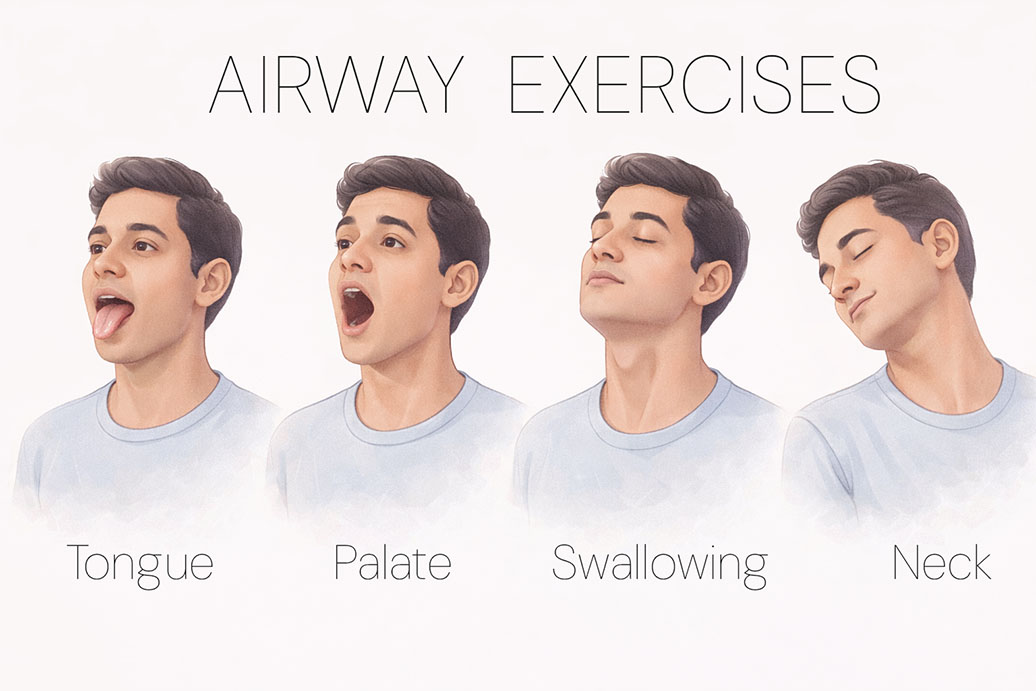
Clinical trials show targeted myofunctional exercises significantly reduce snoring and OSA — one of the few genuinely non-invasive treatments with solid evidence behind it.
Read moreHow to get properly assessed — rapid GP-referred clinics, our multidisciplinary programme, home sleep studies, drug-induced sleep endoscopy (DISE), and the advanced UARS / TAB analysis for "normal" studies that still leave you exhausted.
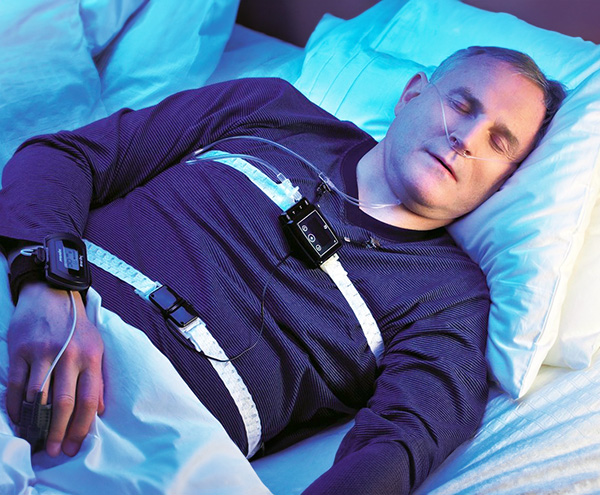
A rapid, GP-referred pathway offering diagnostic sleep studies and a personalised treatment plan — most patients receive a management plan within a single appointment cycle.
Read more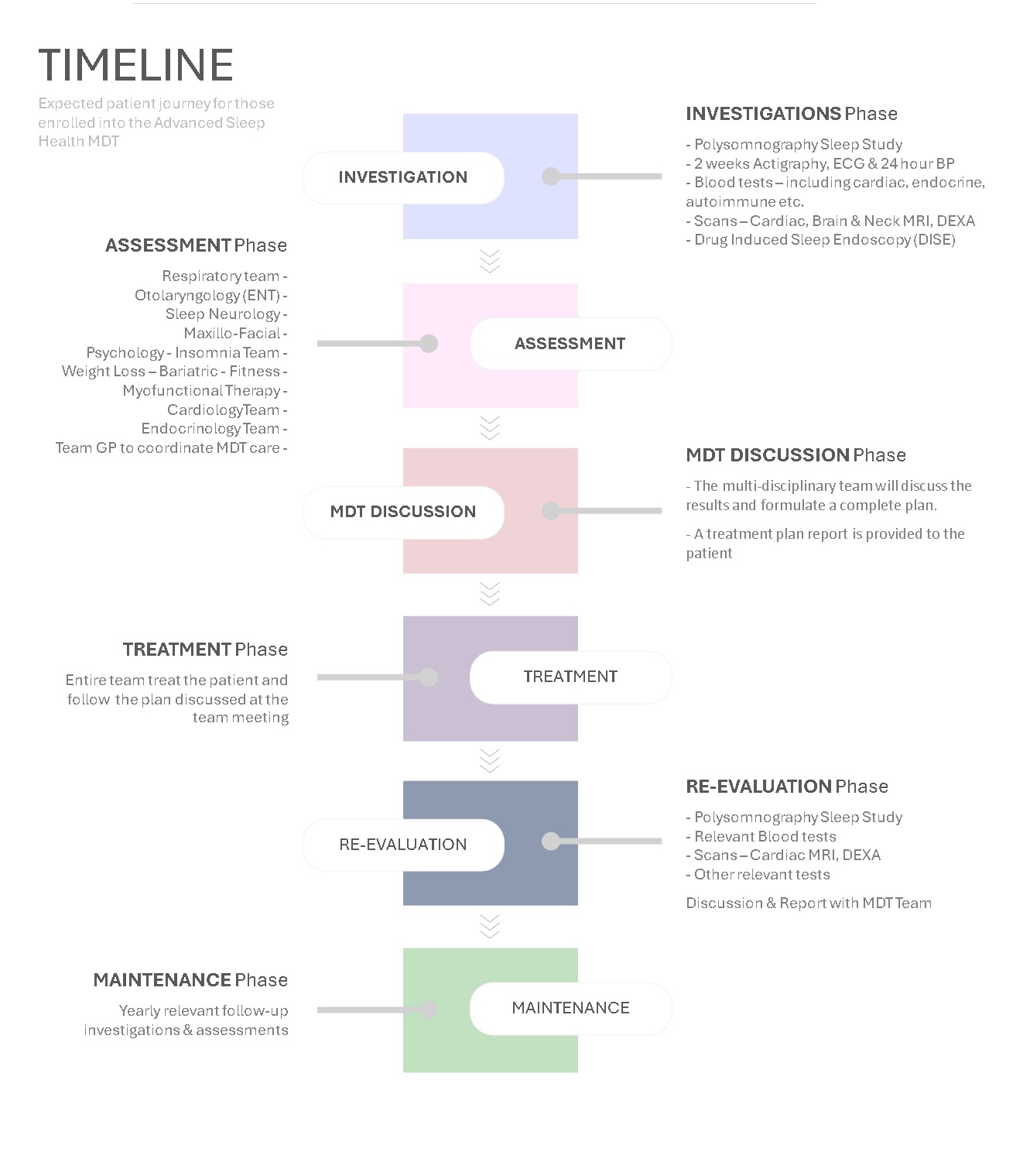
The most comprehensive sleep service — bringing together sleep physicians, physiologists, and surgeons to assess complex or treatment-resistant cases.
Read more
Order a home sleep study posted or couriered to you — from a simple, affordable WatchPAT One (£295) through to a full Nox A1 home polysomnogram (£1995). Most include a personalised video from Professor Veer and a short written report from Michael Storey.
Read more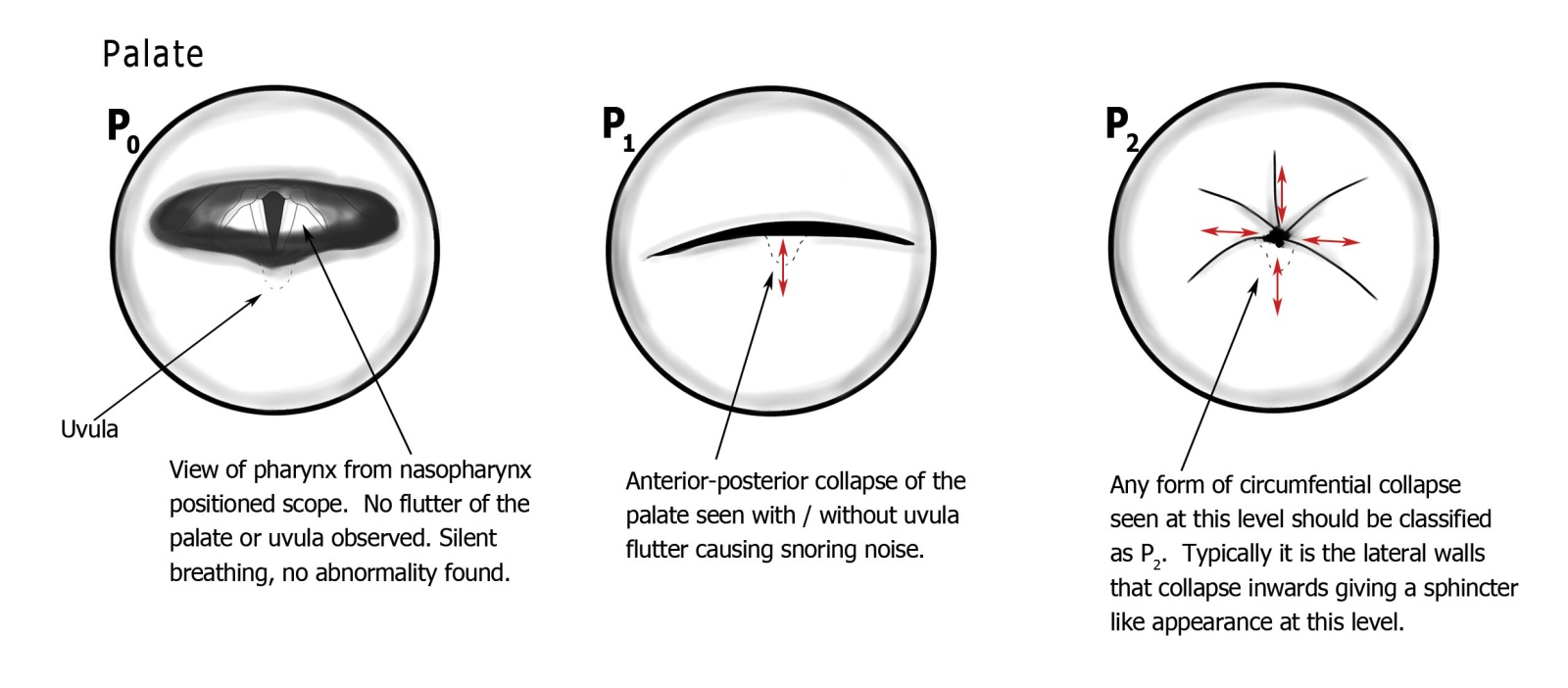
Drug Induced Sleep Endoscopy identifies exactly where the airway collapses during sleep. Professor Veer's PTLTbE system — published in Sleep and Breathing 2020 — standardises findings to guide precise surgical planning.
Read more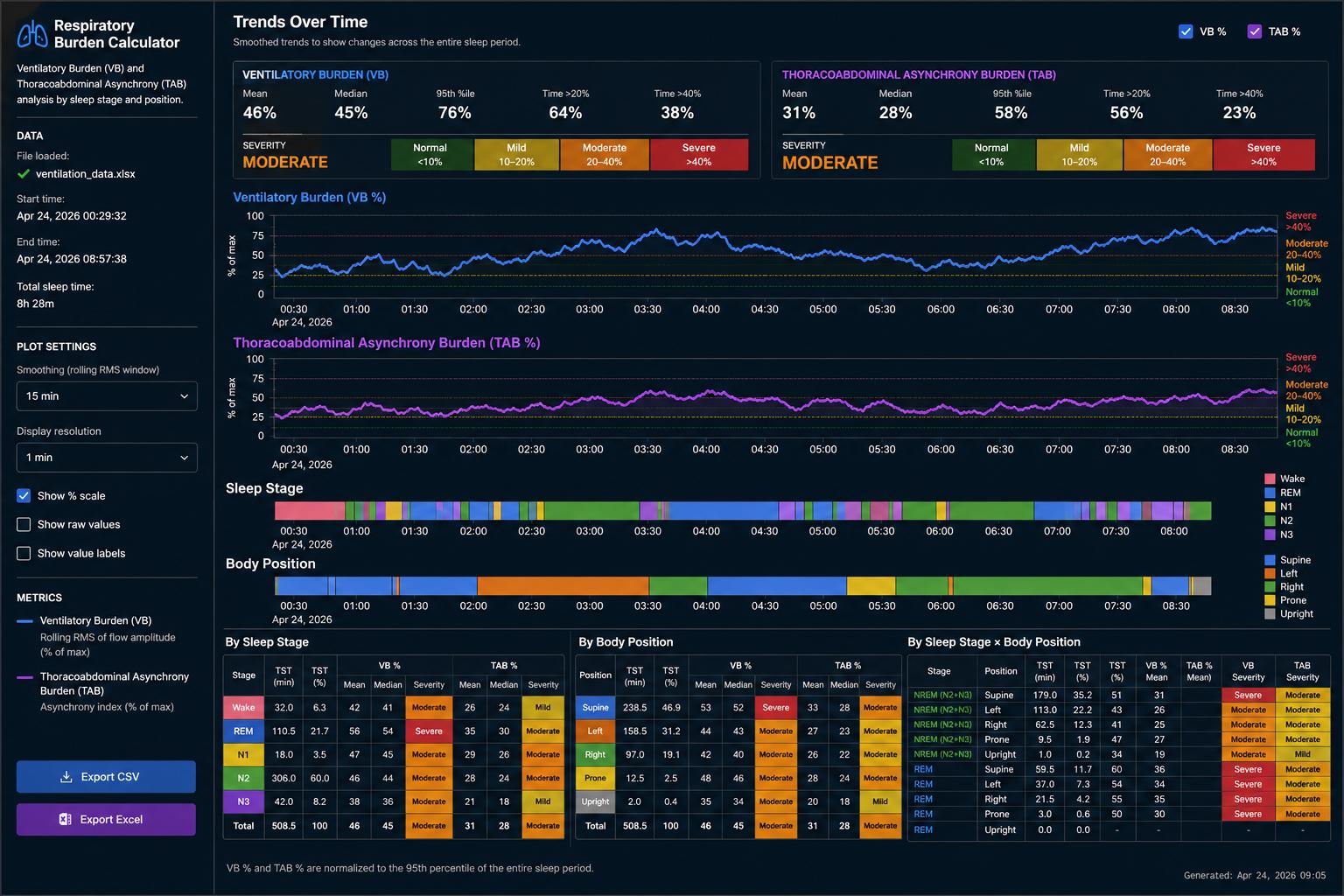
For patients with a "normal" sleep study who still wake exhausted. A new analysis using Thoracoabdominal Asynchrony Burden (TAB) and Ventilatory Burden (VB) to identify Upper Airway Resistance Syndrome without oesophageal manometry. Developed with Michael Storey.
Read moreEvidence-based guides on sleep science, lifestyle factors, and what the research actually shows about popular sleep aids, trackers, and interventions. Written by a practising sleep surgeon with full access to the peer-reviewed literature.
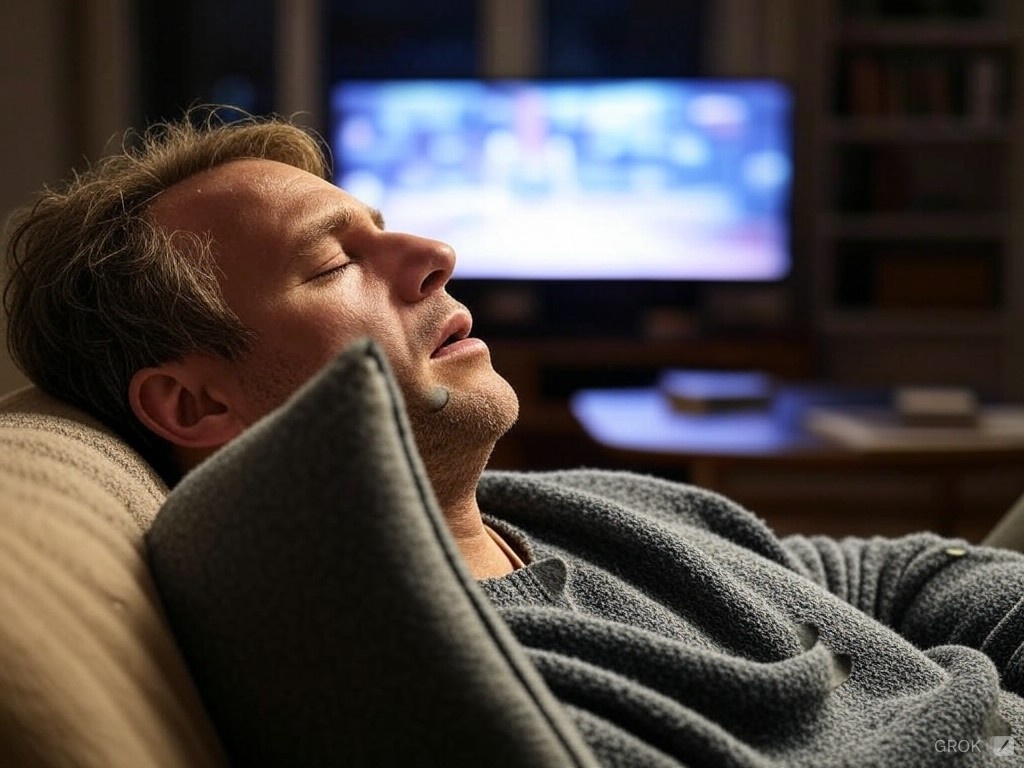
Distinguishing between snoring and sleep apnoea requires more than guesswork — this explains the clinical differences and why getting it right matters for your long-term health.
Read moreSnoring with a normal sleep study is routinely called "simple" or "benign". Professor Veer reviews the evidence honestly — blood pressure, carotid artery damage from the vibration itself, glucose handling, daytime alertness, and the surprisingly strong data on children's school performance.
Read more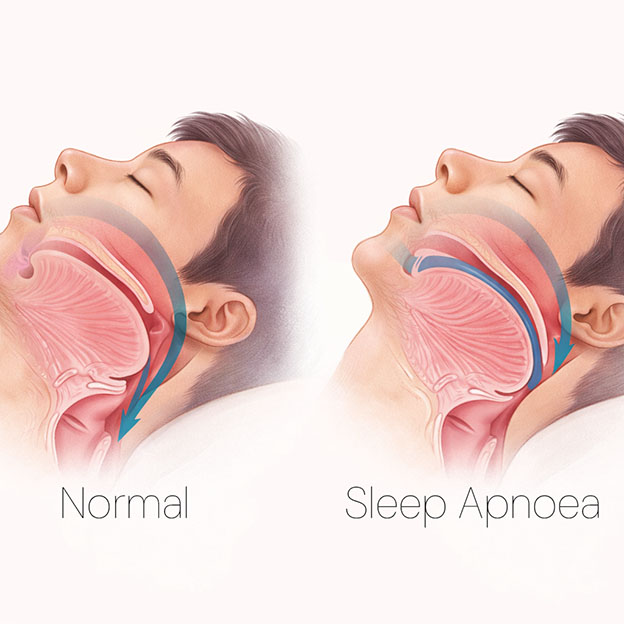
Snoring has long been dismissed as a noise problem. Professor Veer reviews the evidence that the vibration itself injures the nerves and muscles of the soft palate — like vibration white finger, but in the throat — whether snoring progresses to sleep apnoea over the years, and what the PATS trial showed in snoring children.
Read more
Most people significantly underestimate the cumulative impact of insufficient sleep on their body, brain, and long-term survival.
Read more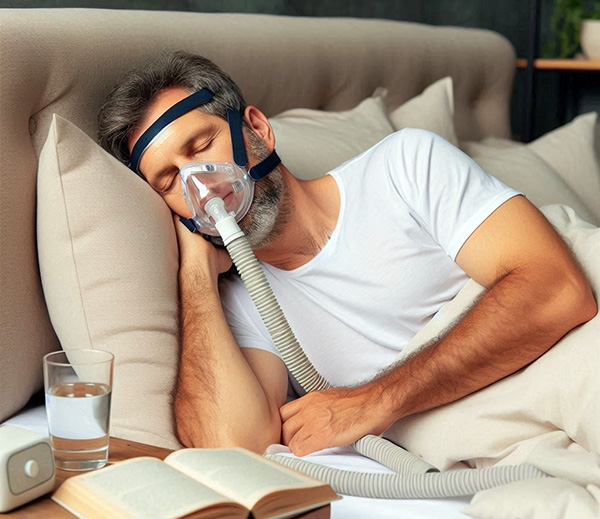
CPAP is the most prescribed treatment for sleep apnoea — but how much does it actually protect your heart? The evidence from major cardiovascular trials, examined honestly.
Read more
Untreated sleep apnoea creates a legal obligation to inform the DVLA — Professor Veer explains the rules in plain language and what you must do, particularly if you hold a commercial licence.
Read more
Fitbit, Apple Watch, Oura Ring — a review of the published evidence on consumer sleep trackers against polysomnography, the clinical gold standard.
Read more
Melatonin, magnesium, valerian, L-theanine — an honest, critical review separating supplements with genuine evidence from those relying mainly on placebo effects.
Read more
Weighted blankets, cooling pads, mouth tape, blue-light glasses — which products have genuine clinical evidence behind them, and which rely on marketing?
Read more
Sleep hygiene advice is everywhere — Professor Veer rigorously evaluates each recommendation against the published research, separating evidence-based practice from myth.
Read more
Restless Leg Syndrome and Periodic Limb Movement Disorder — a practical guide covering medication review, the central role of iron status (ferritin and transferrin saturation), associated conditions, and the evidence for gabapentin and pregabalin.
Read moreObstructive sleep apnoea affects virtually every organ system in the body. This series of evidence-based articles — written by a practising sleep surgeon — explores each health consequence in depth, with data from peer-reviewed research. Start with the overview below, or jump straight to any specific condition.
The essential starting point — how untreated OSA damages health across multiple organ systems simultaneously. Read this first.
Read the overviewAn independent risk factor for hypertension, atrial fibrillation, and heart failure — 40–80% of cardiology clinic patients have undiagnosed OSA.
Read moreA 2025 meta-analysis found OSA significantly raises dementia risk — early treatment is becoming recognised as a powerful tool for prevention.
Read moreOSA is found in the majority of stroke survivors — treating it after a stroke significantly reduces the risk of recurrence.
Read moreSevere nocturnal hypoxia is associated with 28–43% higher cancer risk and nearly tripled cancer-specific mortality.
Read moreTreating OSA often produces mental health improvements that medication alone cannot achieve — the relationship between OSA and depression is bidirectional.
Read moreOSA drives insulin resistance through cortisol excess and sympathetic activation — found in the majority of patients with type 2 diabetes.
Read moreFragmented, oxygen-depleted sleep impairs cognition to a degree sometimes comparable with being over the legal drink-drive limit.
Read moreOSA suppresses testosterone production — treating it can restore normal levels without hormone replacement therapy.
Read moreOSA in women is significantly underdiagnosed — particularly prevalent in PCOS and pregnancy, where it carries risks for both mother and baby.
Read moreOSA shortens telomeres and accelerates cellular ageing — treating it may genuinely slow the ageing process at a molecular level.
Read moreIn children, OSA typically presents as hyperactivity and learning difficulties rather than sleepiness — frequently misdiagnosed as ADHD.
Read moreOSA contributes to chronic kidney disease through sustained hypertension and oxidative stress — and the relationship is bidirectional.
Read moreOSA is associated with glaucoma and other sight-threatening conditions through nightly oxygen fluctuations and raised intracranial pressure.
Read moreChronic hypoxia contributes to reduced bone density, inflammatory arthritis, and higher incidence of sensorineural hearing loss.
Read morePeople with untreated OSA are up to seven times more likely to be involved in a road traffic accident — with significant legal implications.
Read moreTwo clinician-designed pillows from Professor Veer's own range, plus the blog articles explaining the science behind side sleeping. Built from a 6,044-patient audit showing that 60% of OSA patients no longer meet the clinical threshold for sleep apnoea when on their side. Sold via iwantgreatsleep.com.
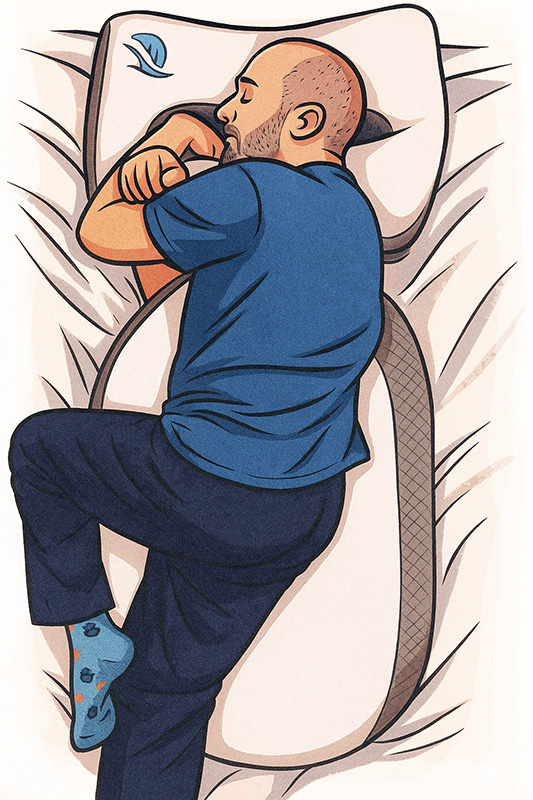
A guide to both pillows, the science behind positional therapy, and the free Your Sleep Position eBook. Start here if you're new to side sleeping.
Overview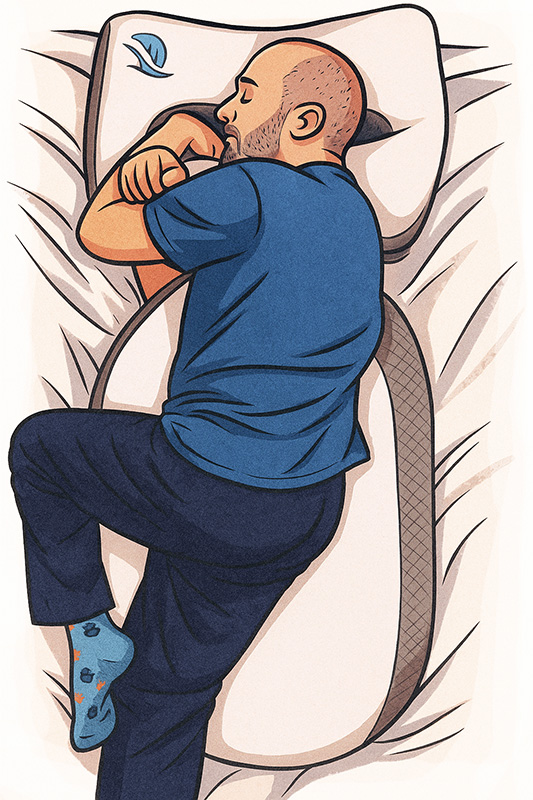
A contoured head pillow plus a full-length body pillow — engineered to hold the sleeper comfortably in the recovery position throughout the night. CPAP-compatible.
Read more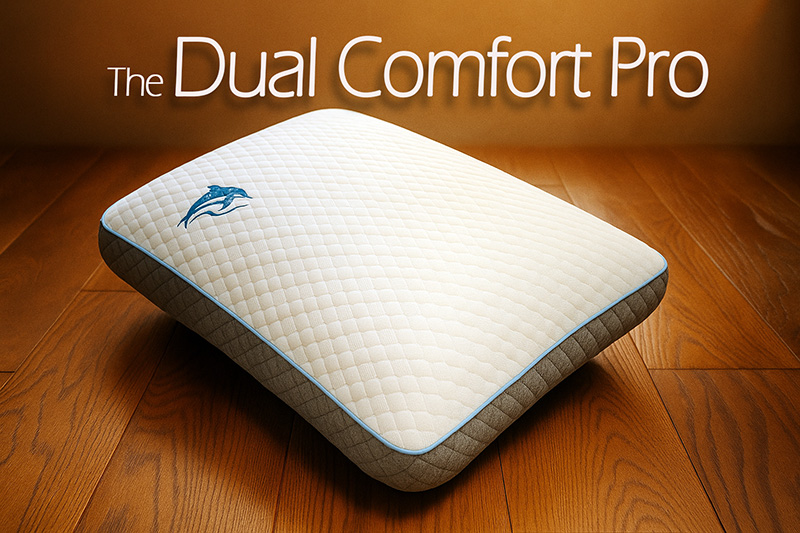
Two surfaces in one — a low-recoil side that holds position, and a springy breathable side for ear comfort. Adjustable shredded foam fill.
Read more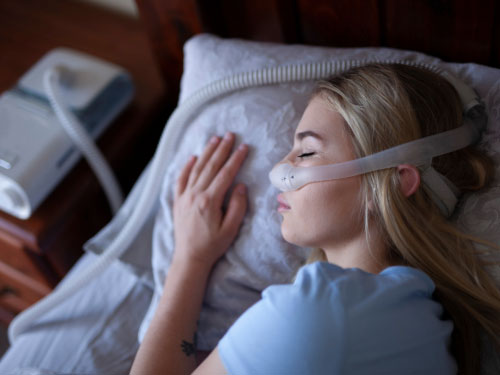
From 6,044 patients: why side sleeping resolves OSA in the majority of people, and the practical adjustment protocol.
Read more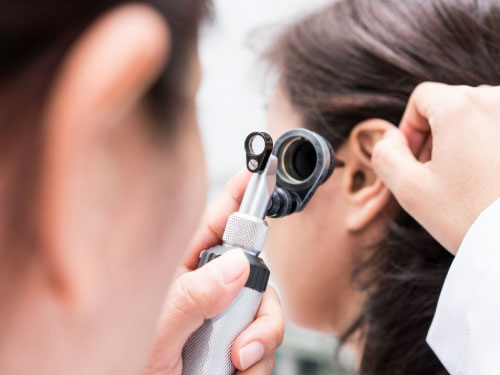
Evolutionary biology, the glymphatic system, and the case that side sleeping is the human default.
Read moreSurgery & Recovery
Detailed, surgeon-written guides for the operations Professor Veer performs — drawing on his patient eBooks, the peer-reviewed literature, and twenty years of clinical experience. Each page covers what the operation is, the benefits, the risks and complications, how to prepare, how to manage pain, and exactly what to do (and what to look out for) afterwards. Designed to support proper informed consent.
Sleep Surgery

Adult and child tonsillectomy (F3440) — anatomy, indications, alternatives, full risks (bleeding 1–4%, infection, pain, taste change, voice), staggered painkiller schedule, why normal food matters, day-by-day recovery, and a full review of surgical techniques. Based on Prof Veer's free patient eBook.
Read more
Modern reconstructive throat surgery for OSA — over 87% chance of improvement in well-selected patients. Covers the operation, the 5% bleeding risk, the staggered painkiller plan, why normal food matters, and the 3- to 18-month timeline of results.
Read more
Combined palate operation (F2810, F3070) for snoring and mild OSA. Expected ~4-point drop on the 0–10 snoring scale; under 3/10 with the palatoplasty added. Covers risks, recovery, and the long-term role of oropharyngeal exercises.
Read more
Minimally invasive reduction of the lymphoid tissue at the base of the tongue for OSA and snoring caused by tongue-base obstruction. Embedded videos cover the operation and its side-effects.
Read more
Specialist sleep-surgery procedure for epiglottic collapse ("trapdoor phenomenon") identified on DISE. Covers the rare but important airway risks and recovery.
Read more
Removal of redundant tissue around the uvula — and why Prof Veer does not advocate this on its own as a snoring operation. Covers risks, expected recovery, and better alternatives for snoring.
Read more
Adult tongue tie release (F2620) — scissor dissection with dissolving sutures. Risk statistics drawn from Dr Soroush Zaghi's published series. Covers post-operative stretches and recovery.
Read moreNose & Sinuses

Septoplasty (E0360) and turbinate reduction (E0412) — what the operation does, bleeding and packing, why saline washouts matter, the rare complications (empty nose syndrome, septal perforation, smell loss, CSF leak), and preparation and recovery.
Read more
Functional Endoscopic Sinus Surgery and nasal polypectomy (31432). Additional risks beyond septoplasty: orbit, skull base, CSF leak, polyp recurrence and smell loss. Why a pre-operative CT scan is mandatory.
Read more
Closure of a nasal septal perforation using silastic sheeting. Covers the technique, risks of loosening or extrusion, and recovery.
Read more
Removal of the adenoids (E2010), usually in children with nasal blockage, glue ear or sleep-disordered breathing. Covers bleeding 1–4%, globus, taste, the rare Grisel's syndrome, and standard recovery.
Read moreEar Surgery

A small diagnostic incision in the eardrum (D1530) used as a "trial run" before deciding whether to insert a grommet. Brief and low-risk.
Read more
Ventilation tube placed in the eardrum (D1510) to bypass Eustachian tube dysfunction. Covers risks of infection, persistent perforation (1%), and how long grommets stay in.
Read more
Modern technique (D2240) to remodel the Eustachian tube — re-establishing normal function rather than bypassing it as grommets do. ~75% success rate. Embedded operation video.
Read more
Repair of a perforated eardrum using a small cartilage graft. Plain-English explanation of scarring, facial nerve, tinnitus risk, the ribbon-gauze packing, and the strict no-flying rule for 3 months.
Read more
Microsurgical replacement of the fixed stapes bone with a tiny prosthesis (1710) for otosclerosis. Covers 1–2% permanent hearing-loss risk, chorda tympani nerve and facial nerve, vertigo, and the 3-month no-flying rule.
Read moreEar, Nose & Throat
Professor Veer treats the full range of ear conditions from wax and infections through to complex problems with balance and the ear drum. Diagnosis and treatment are tailored to each patient, with surgical options available where appropriate.
Pressure, fullness, and muffled hearing — a common and very treatable condition frequently misdiagnosed, with options from nasal sprays to balloon dilatation.
Read more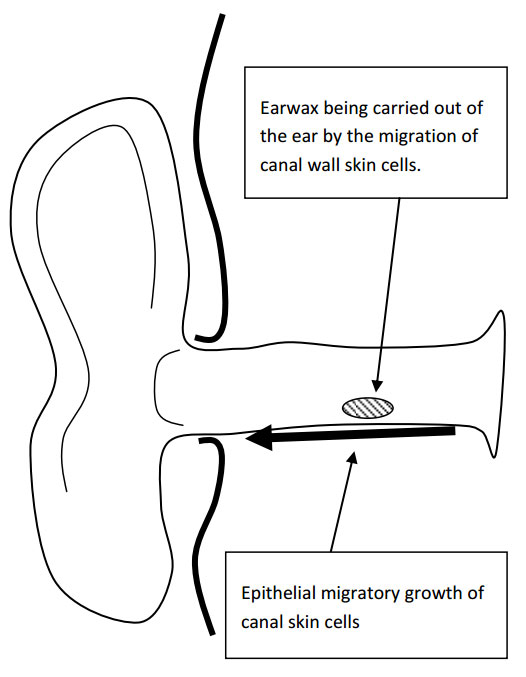
One of the most common causes of reduced hearing — and cotton buds almost always make it worse. Treatment is straightforward and usually immediately effective.
Read more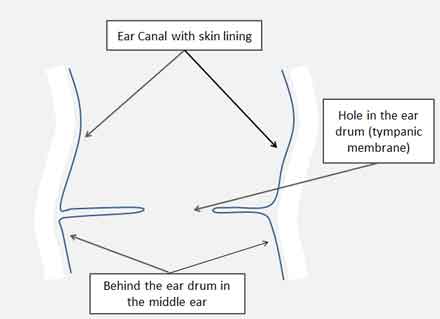
Many perforations heal spontaneously, but persistent ones cause hearing loss and recurrent infections — Professor Veer explains when surgical repair is the right choice.
Read more
Strongly linked to dementia risk when left untreated — early assessment matters because some causes of hearing loss are reversible.
Read more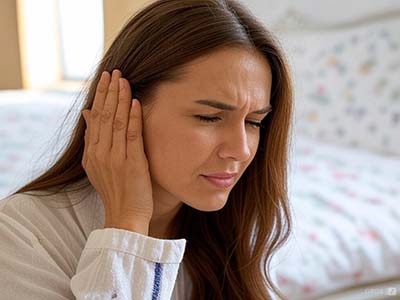
Recurrent infections cause pain, hearing loss, and potential long-term damage — Professor Veer explains medical management and when grommet insertion is appropriate.
Read more
The most common cause of vertigo — intense spinning triggered by head movements, caused by displaced crystals and treated with specific manoeuvres in clinic.
Read more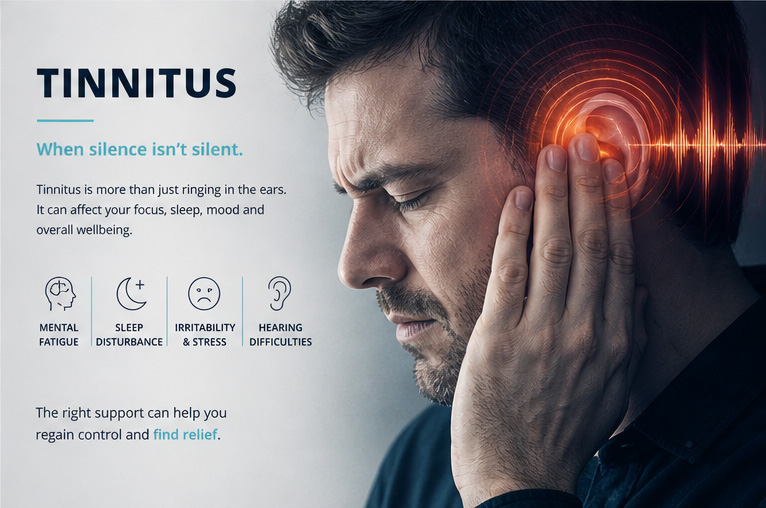
A complete guide to tinnitus — what it is, why the brain perpetuates it, and what the evidence says about CBT, tinnitus retraining therapy, rTMS, and practical self-help strategies.
Read more
An under-recognised cause of dizziness, tiredness, brain fog and "feeling off" — often without significant headache. A patient guide to recognising symptoms, identifying triggers, and managing it through lifestyle rather than lifelong medication.
Read more
One of the commonest causes of chronic dizziness — where every balance test comes back normal yet you are still dizzy. A patient guide to why the brain gets "stuck" ignoring a healthy ear, and the four treatments that work: education, vestibular rehabilitation, CBT and SSRIs. Includes Professor Veer's video.
Read moreThe worst vertigo there is — days of continuous spinning and vomiting when one ear's balance system suddenly fails. A complete guide to why it happens, how it is told apart from a stroke using HINTS, why vestibular sedatives must be stopped early, and a full evidence-based rehabilitation exercise programme. Includes Professor Veer's video.
Read moreNasal and sinus conditions are among the most common reasons patients consult an ENT surgeon. From a persistently blocked nose to chronic sinusitis and troublesome nosebleeds, most conditions can be effectively managed with the right approach.
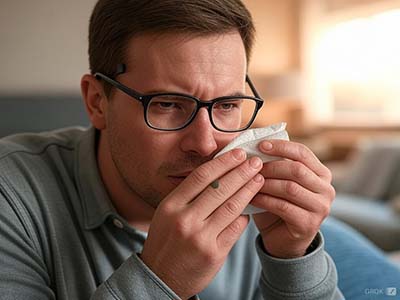
Deviated septum, polyps, turbinate hypertrophy — Professor Veer explains the diagnostic approach and the full range from medical management to septoplasty.
Read moreHooked on Otrivine, Sudafed or Vicks Sinex? Professor Veer explains why decongestant sprays rebound, what years of use do to the lining of the nose, and gives a six-week plan to come off them using a steroid spray and hypertonic saline — plus why you must stop before any nasal operation.
Read more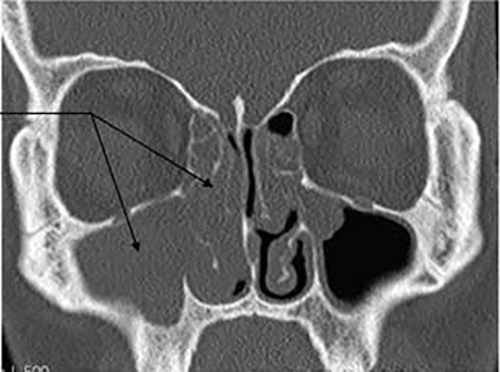
Chronic sinusitis can be dramatically improved — Professor Veer reviews the evidence for each treatment and explains when FESS surgery is the best option.
Read more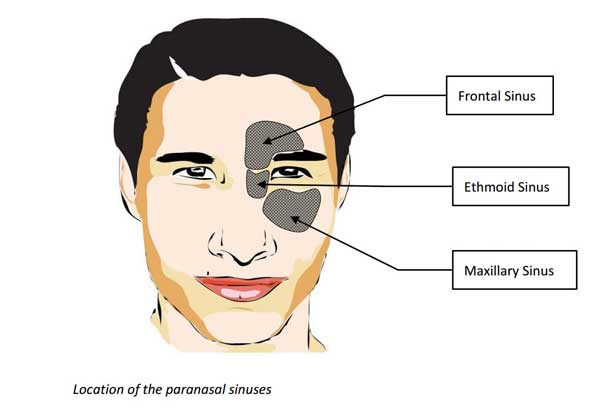
Postnasal drip is a symptom, not a diagnosis, and most people who have had it for years have been treated for the wrong mechanism. Professor Veer sets out the four drivers — infected mucus and biofilm, rhinitis, reflux and pepsin, and a hypersensitive throat — what to do at home, and the evidence for every treatment including the 2025 MACRO trial.
Read more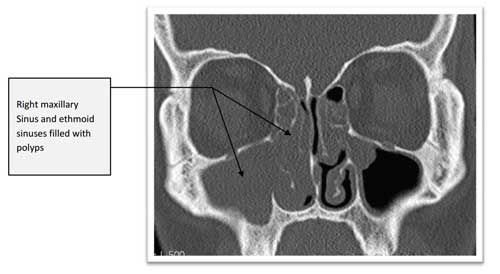
Polyps are an inflammatory condition, not a growth to cut out. Professor Veer sets out what actually shrinks them — saline rinsing, steroid sprays at full polyp dose, head-down drops, budesonide sinus rinses, oral steroids, doxycycline and biologics — with the doses from the trials, and explains what sinus surgery is really for.
Read more
Most nosebleeds come from a small cluster of vessels that are straightforward to treat — but frequent, heavy, or one-sided bleeds always warrant proper investigation.
Read more
From antihistamines to immunotherapy to surgical turbinate reduction — Professor Veer reviews the evidence and explains when each approach is most appropriate.
Read more
A practical guide to living safely with anosmia — gas leak, food and personal hygiene precautions — and the evidence-based olfactory training protocol that may help recovery after post-viral or post-COVID smell loss.
Read moreThroat conditions, tonsil and adenoid problems, and paediatric ENT disorders form a significant part of Professor Veer's clinical practice. Early and accurate diagnosis leads to better outcomes and, in children, can have lasting benefits for hearing, behaviour, and development.
Silent reflux, globus sensation, unexplained lumps — Professor Veer explains which throat symptoms need urgent investigation and what a thorough assessment involves.
Read more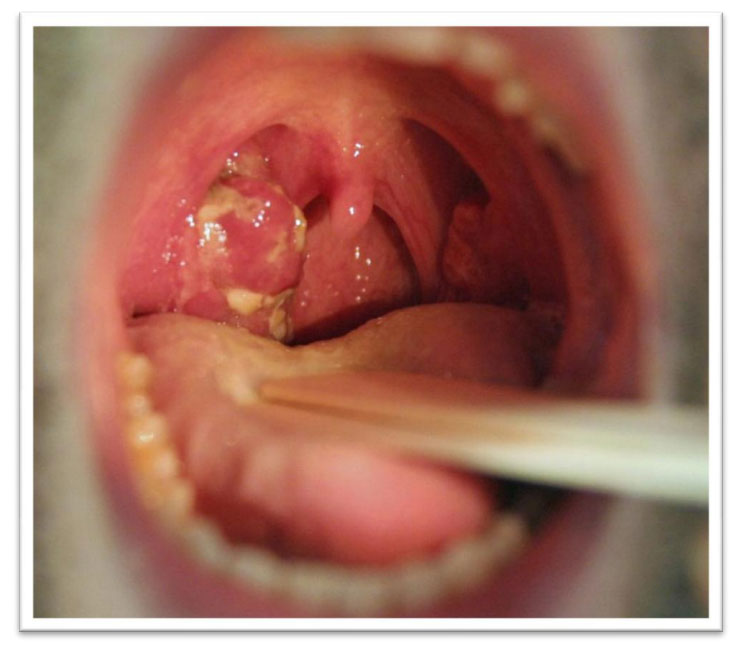
Recurrent infections or disrupted sleep from enlarged tonsils — surgical treatment can be genuinely transformative for those who have suffered for years.
Read more
Glue ear, adenoids, childhood OSA — early treatment can have lasting benefits for hearing, speech, behaviour, and learning.
Read morePatient Tools & Resources
Free interactive tools and questionnaires to support sleep and focus. More patient resources will be added here as they are developed.
A free set of validated questionnaires — including Professor Veer's own STAMP score — measuring how your sleep actually affects you, not just whether you have apnoea. Complete them online and a personalised report is emailed to you, free.
Take the questionnaires
Blend white noise, pink noise, brown noise, and rain to create an optimal sound environment — clinical evidence suggests specific noise spectra can improve sleep onset and concentration.
Try the toolMatch the frequency and character of your tinnitus using synthesised tones and noise — then share your tinnitus profile with your audiologist. Includes phase-inversion experiment and ANC headphone method.
Try the toolGraded moving patterns for visual motion habituation — designed for people with PPPD or vestibular conditions who find busy, moving scenes triggering. Free, browser-based, nothing recorded or stored.
Try the toolA free browser-based tool that recreates the warm, filtered in-utero sound environment — with maternal lub-dub heartbeat, breathing swell, foetal heartbeat overlay and movement & fluid sounds.
Try the tool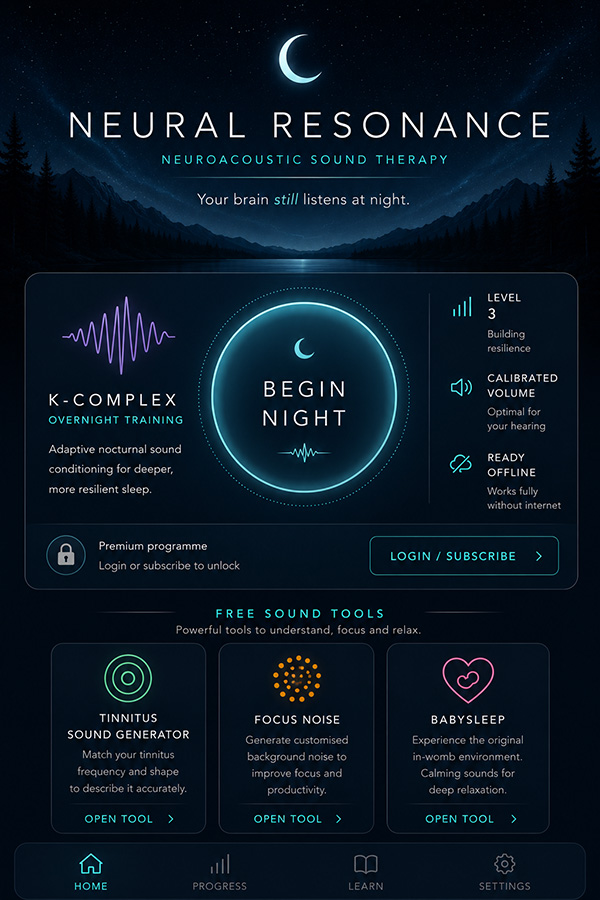
A progressive web app exploring whether adaptive overnight sound can train the brain's K-complex response. Aimed at light sleepers whose sleep stays fragmented despite a quiet environment. Currently in build.
Learn more